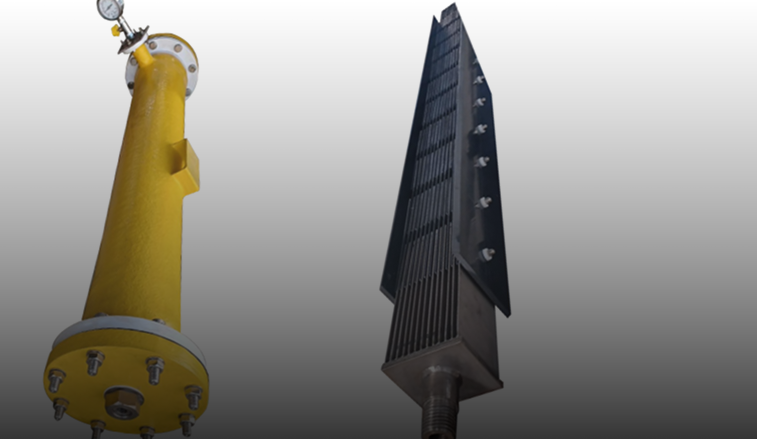
Some of the most common challenges encountered in electrolyzer systems include:
Electrode degradation
Electrode materials and coatings can degrade over time due to high current density, potential cycling, or aggressive operating environments — leading to increased energy consumption and reduced output.
Gas management and crossover
Inadequate separation or poor flow control can result in gas crossover, reducing efficiency and posing safety concerns in certain applications.
Uneven current distribution
Non-uniform current density across electrode surfaces accelerates localized wear and reduces overall system efficiency.
Thermal management
Electrolyzers generate heat during operation. Poor temperature control can affect reaction kinetics, membrane stability, and component lifetime.
Membrane or separator performance loss
Membranes and separators may suffer from fouling, chemical attack, or mechanical stress, impacting purity and system reliability.
Sensitivity to feedwater quality
Impurities in the feedwater — such as ions, organics, or particulates — can accelerate degradation and reduce electrolyzer lifespan.
.png)